
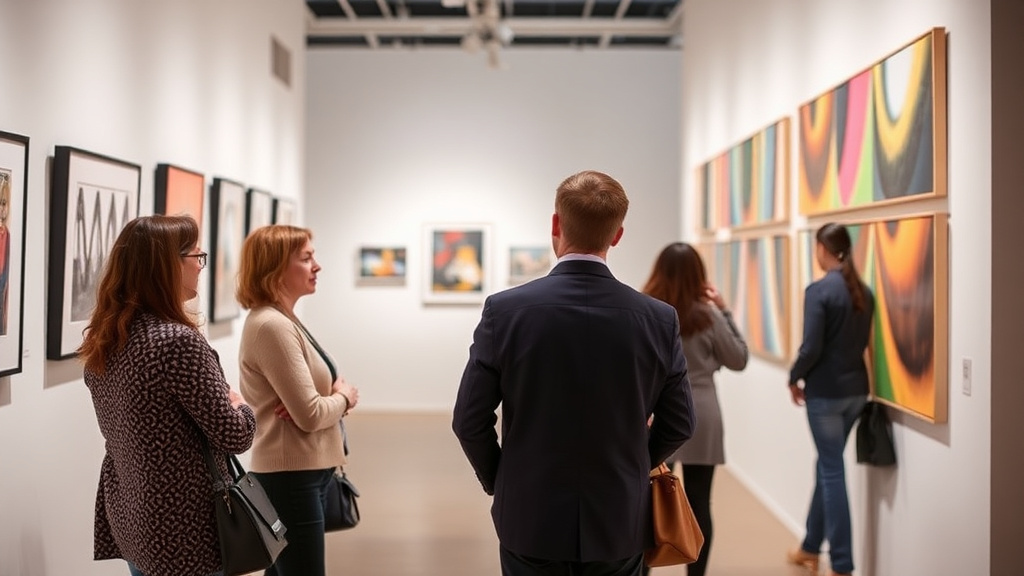
As contemporary art continues to evolve and push against traditional boundaries, museum directors globally face a critical question: how do we guarantee these cutting-edge exhibitions remain accessible to all visitors? From technological artworks requiring technical literacy to immersive experiences that may overstimulate sensory-sensitive guests, the debate intensifies over standardized accessibility guidelines. This article examines the ongoing tension between creative advancement and universal accessibility, examining how leading institutions are managing these intricate issues while striving to democratize the contemporary art experience for diverse audiences.
Defining Access and Inclusion in Contemporary Art Venues
Accessibility in modern art goes well beyond wheelchair ramps and elevators, encompassing a thorough approach to inclusivity that addresses physical, sensory, cognitive, and cultural barriers. Museum directors increasingly recognize that contemporary exhibitions—often showcasing experimental mediums, unconventional layouts, and immersive technologies—demand thoughtfully designed accessibility standards. These standards must balance the artists’ creative vision with visitors’ varying requirements, ensuring that innovative installations remain accessible both intellectually and physically to everyone, irrespective of ability or background.
The challenge lies in defining what accessibility truly represents within the scope of modern art’s ever-evolving landscape. Conventional accessibility approaches, such as sound guides and touch-based materials, may not effectively address displays of digital art, performance pieces, or interactive exhibits. Museum staff must develop nuanced frameworks that address specific exhibition types while maintaining flexibility for artistic experimentation. This necessitates partnership among exhibition designers, accessibility specialists, and creators to establish guidelines that honor both creative integrity and accessibility-focused design.
Contemporary art spaces must also consider the multiple needs of neurodivergent individuals, individuals with intellectual disabilities, and those from underserved communities who may experience cultural exclusion from traditional museum environments. Accessibility guidelines should provide peaceful areas for sensory regulation, multiple formats for engaging with artwork, and offerings that accommodate different learning approaches. By creating robust accessibility guidelines designed for the specific needs of contemporary art, museums can transform these spaces into genuinely inclusive spaces that honor creative expression while centering visitor inclusion and human dignity.
Obstacles and Implementation Challenges
Museum directors confront major hurdles when establishing inclusive guidelines for current artistic works. Many innovative installations incorporate complex technology, participatory features, and innovative presentations that diverge from conventional accessibility models. Resource restrictions restrict institutions’ capability to update established venues or develop alternative experiences. Additionally, artists sometimes resist modifications, concerned about altered creative expression. The lack of universally agreed-upon standards creates confusion about which guidelines to follow and how to combine forward-thinking design with inclusive practices effectively.
Structural facilities creates another substantial barrier, particularly in older museum buildings not designed with accessibility in mind. High-sensory exhibits, such as intense audio installations or vivid visual presentations, may need tailored support for visitors with neurodivergence. Staff training gaps additionally hinder implementation, as many museum professionals lack knowledge in accessible design. Budget constraints force tough choices about priorities, causing smaller institutions unable to fully address diverse accessibility needs while preserving operational viability and artistic programming excellence.
Leading Approaches and Upcoming Priorities
Leading museums are establishing detailed accessibility structures that reconcile artistic integrity with accessibility-focused design. These institutions deploy inclusive design approaches, including detailed artwork descriptions, multi-sensory engagement options, and flexible viewing experiences. Forward-thinking museums collaborate with accessibility experts and disabled visitors to create purposeful criteria. Virtual spaces broaden accessibility beyond physical spaces, allowing remote engagement with modern displays. Progressive directors understand that accessibility enhancements often enhance the experience for every visitor, not merely meeting specific needs but fostering more meaningful relationships with modern artwork.
- Add descriptive audio for intricate visual displays
- Provide accessible sensory sessions on a weekly basis
- Design adaptable routes through exhibition spaces
- Produce multilingual digital guides and materials
- Train staff in accessibility training and inclusive practices
The future of contemporary art museums depends on adopting accessibility as fundamental curatorial practice instead of supplementary accommodation. Sector experts champion establishing unified accessibility standards while permitting institutional flexibility in implementation. Funding for training, technology, and collaborative consultation with disability communities enhances these efforts. Museums that prioritize accessibility demonstrate commitment to inclusive principles and broader visitor engagement. As accessibility standards develop, museums positioning themselves as inclusive spaces will draw varied audiences and ensure contemporary art remains culturally relevant and socially responsible.
