
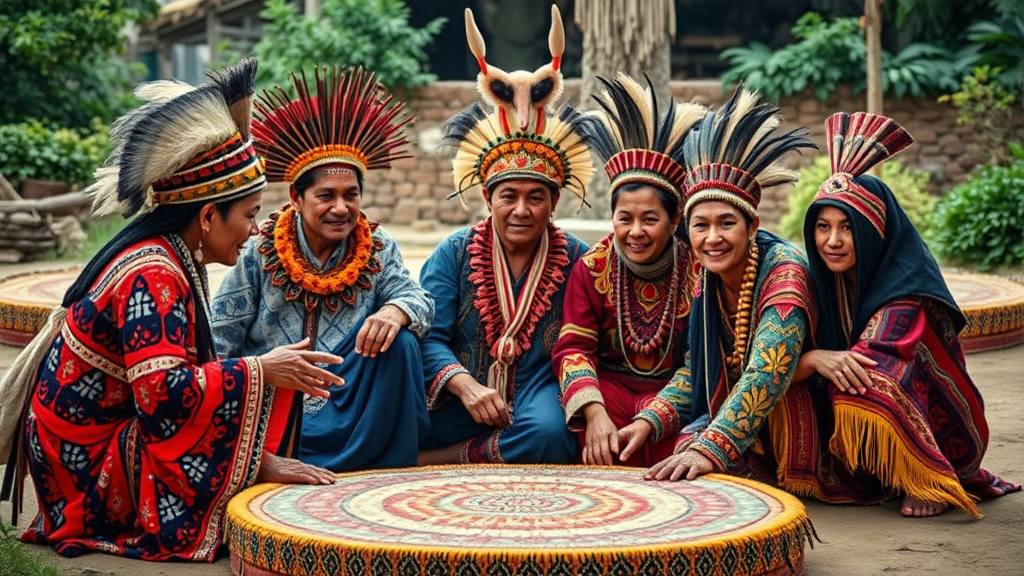
Indigenous art forms, historically limited to local communities and disregarded by mainstream audiences, are undergoing an unprecedented worldwide revival through online channels. Digital social platforms, online galleries, and video platforms have dismantled geographical barriers, enabling artists from distant locations to present their ancestral techniques, music, and artwork to global audiences. This article investigates how digital innovation is transforming the acknowledgment and safeguarding of indigenous artistic expression, analyzing the significant influence of internet-based media on cultural visibility, economic opportunities, and the future of ancestral creative heritage.
Digital Evolution of Classical Artistic Practices
The digitization of indigenous art forms represents a fundamental shift in how conventional artistic practices reaches international viewers. Digital platforms have enabled indigenous artists to circumvent conventional gatekeepers, such as museums and distribution networks, directly connecting with worldwide audiences. This opening up of access pathways has enabled artisans to preserve artistic autonomy while broadening their audience significantly. Visual media, video content, and digital archiving have revolutionized how cultural practices are presented, providing access to audiences worldwide who might not typically experience these vibrant artistic traditions.
Technology has also made it easier the recording and archiving of vulnerable cultural practices at risk of being lost due to cultural assimilation and generational disconnection. Digital archives, online tutorials, and virtual exhibitions function as repositories of knowledge, guaranteeing that traditional techniques and cultural narratives are documented for generations to come. Indigenous communities now leverage these tools to recover their stories about their cultural legacy, refuting inaccurate portrayals and creating authentic voices in the international cultural discourse. This technological empowerment has strengthened cultural identity while creating sustainable pathways for artistic innovation.
Social Media as a Worldwide Market
Social media platforms have become dynamic marketplaces where indigenous artists directly monetize their work and establish dedicated international fan bases. Instagram, TikTok, and Facebook empower creators to display their work in progress, tell cultural stories, and forge meaningful connections with collectors worldwide. These platforms offer immediate audience insights, allowing artists to understand market preferences while maintaining artistic integrity. The image-focused format of social media particularly advantages indigenous visual arts, textiles, and crafts, which shine through imagery and video content, generating unprecedented commercial opportunities.
The algorithmic reach of social media networks has converted emerging artists into global phenomena overnight, generating remarkable achievements that inspire entire communities. Indigenous artists have leveraged popular tags, collaborations, and creator partnerships to boost reach while maintaining ties with cultural traditions. Direct-to-consumer sales through social selling tools have removed middlemen, allowing artists to capture full profit margins. This economic autonomy reaches further than solo artists, regularly helping broader groups through collaborative initiatives and shared branding efforts.
- Instagram presents visual arts and textile designs to global audiences daily
- TikTok allows brief video demonstrations of indigenous art methods
- Facebook groups foster connection among members among indigenous artist networks
- YouTube serves as platforms for extended narratives about culture and educational content
- Pinterest boosts discovery and sales of indigenous crafts and decorative arts
Heritage Conservation Through Digital Innovation
Digital spaces have become essential resources for safeguarding indigenous art forms that face extinction due to modern pressures and cultural integration. By creating permanent digital records of traditional techniques, performances, and artistic knowledge, communities can protect their artistic legacy for coming generations. Web-based collections and virtual institutions ensure that traditional customs remain accessible and documented, even as younger generations migrate to urban areas or pursue different careers.
Digital innovation enables indigenous artists to preserve cultural continuity while adapting to contemporary contexts. Digital tools enable artisans to document their creative processes, distribute instructional content, and build communities of practitioners across geographical boundaries. This technological integration reinforces cultural identity and creates new pathways for knowledge transmission, ensuring that traditional art forms develop rather than disappear in an increasingly globalized world.
Documentation and Archive Projects
Specialized digital systems committed to indigenous art preservation have developed internationally, providing safe archives for artistic resources. These initiatives employ cutting-edge tools including 3D scanning, precision photography, and video recording to capture intricate details of traditional artworks. Organizations partner with indigenous communities to ensure culturally appropriate permission systems and appropriate representation of sensitive or sacred artistic knowledge and practices.
Joint archiving efforts unite indigenous artists, scholars, and technologists in thorough documentation work. These undertakings emphasize indigenous stewardship and governance of cultural materials, setting protocols that uphold intellectual property rights and cultural protocols. By combining traditional knowledge with technological systems, these archives develop enduring frameworks for conservation that enable indigenous communities as keepers of their own cultural narratives.
- 3D scanning technology records detailed artwork dimensions and intricate surface textures.
- Visual recording preserves conventional methods and artistic processes for future study.
- Community-controlled databases guarantee appropriate access and cultural guideline adherence.
- Multi-language online systems make indigenous art knowledge accessible globally.
- Cloud-based archives provide protected extended storage against physical deterioration.
Financial Prospects and Local Community Effects
Digital platforms have significantly altered the marketplace dynamics for indigenous artists, creating unprecedented revenue streams that actively enhance communities. By bypassing conventional middlemen and gatekeepers, artists can now maintain greater returns from their sales, channeling profits into cultural conservation efforts and community advancement programs. This expansion of access has empowered many indigenous practitioners to attain lasting viability through their artistic practices, breaking cycles of financial exclusion that long impacted these communities.
Beyond individual artist success, digital platforms have driven broader community development by fostering collaborative economic models. Collective online stores, cooperative galleries, and artist networks strengthen purchasing power while maintaining cultural authenticity and values. Revenue generated through digital sales supports educational offerings, apprenticeships for emerging artists, and infrastructure improvements in indigenous territories. This economic empowerment reinforces cultural identity and creates incentives for youth to take up traditional art forms, ensuring cultural knowledge transfer and artistic continuity.
Artist Revenue Directly and Fair Trade Models
Digital commerce platforms have transformed how indigenous artists monetize their work, eliminating exploitative middlemen who historically took the majority of profits. Direct-to-consumer sales through websites, social media, and specialized platforms enable artists to determine fair pricing reflecting their expertise and cultural value. Transparent transaction systems build consumer trust while guaranteeing artists gain equitable compensation. This transition to selling directly has boosted communities economically while maintaining the integrity and cultural significance of their artistic traditions.
Ethical trade digital platforms created for indigenous creators establish moral guidelines guaranteeing fair payment and respectful representation. These platforms emphasize artist support, cultural respect, and sustainable practices over financial gain. Verification processes confirm true indigenous roots while defending ancestral wisdom from appropriation. By linking conscious consumers with indigenous artists, ethical trade systems create viable economic opportunities while advancing cultural pride and financial autonomy within communities.
- Clear pricing models ensure artists get competitive market rates remuneration.
- Collaborative marketplaces enable joint negotiation and joint promotional tools effectively.
- Electronic wallets and transaction systems offer safe and convenient financial transactions globally.
- Blockchain technology ensures authentic confirmation and prevents fake native art.
- Income sharing structures support collective funds and cultural preservation initiatives.
