
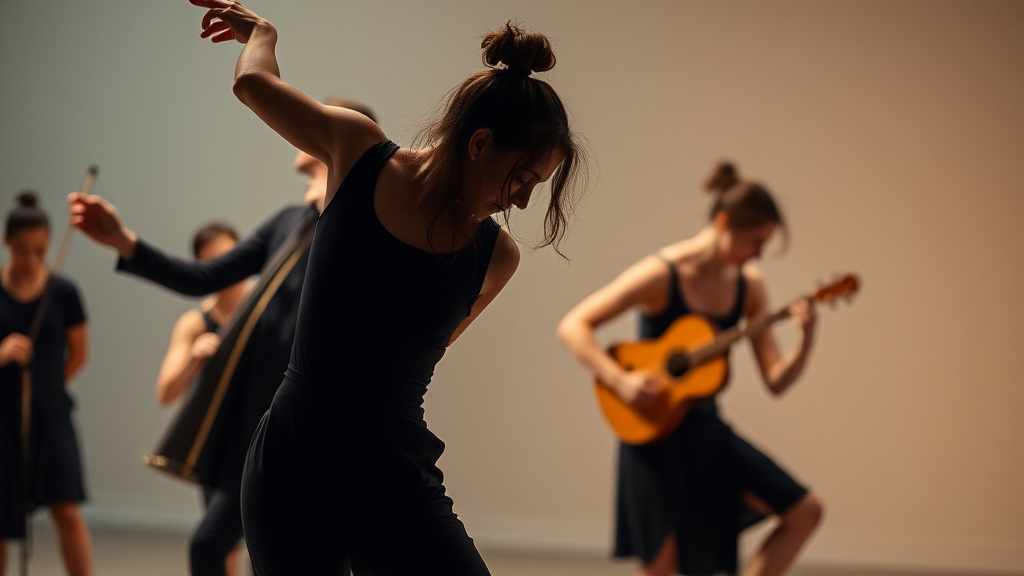
The boundaries between dance and music are dissolving as dancers and composers increasingly work together to create groundbreaking performances that transcend traditional artistic silos. By merging movement with live composition, these creative collaborations are transforming how audiences engage with the arts. This article examines how creative multi-disciplinary projects blend choreography and music to produce immersive performances that challenge conventions, amplify emotional impact, and push creative possibilities. Discover the creative processes, notable partnerships, and transformative potential of this dynamic artistic fusion.
The Evolution of Music and Dance Partnership
The connection between dance and music has existed for centuries, yet the essence of their working relationship has fundamentally transformed. Historically, choreographers developed choreography to accompany pre-composed musical scores, establishing music as the main artistic driver. However, contemporary practitioners are reconceiving this traditional arrangement, approaching dance and music as equal partners in artistic production. This shift reflects wider transformations in how artists approach collaborative projects, departing from hierarchical structures toward true artistic collaboration.
Throughout the 20th century, pioneering figures began experimenting with more integrated approaches to combining these art forms. Composers like John Cage questioned conventional relationships between sound and movement, while choreographers such as Merce Cunningham deliberately separated dance from music to explore their independent possibilities. These exploratory methods laid crucial groundwork for contemporary partnerships, showing that dance and music could function in productive tension rather than seamless harmony. Their innovations encouraged subsequent artists to challenge conventions about how these fields should relate.
The current creative environment reflects years of artistic experimentation and cultural development. Contemporary choreographers and musicians employ technology, multimedia elements, and cross-disciplinary thinking to create performances that would have appeared impossible in previous periods. These contemporary partnerships emphasize shared artistic contribution from conception through execution, resulting in works where no single discipline takes precedence. This development represents a advancement of cross-disciplinary collaboration, where each artistic medium contribute equally to influencing viewer engagement and creative significance.
Breaking Boundaries Through Creative Partnership
When choreographers and musicians unite their distinct artistic visions, they create a strong collaborative energy that transcends individual disciplines. This collaborative approach breaks down traditional barriers, allowing each artist to impact and motivate the other in real-time. The result is a unified creative work where dance and music are inseparable, creating performances that feel organic and deeply connected rather than simply paired together.
Integrated Creative Processes
The artistic alliance between choreographers and musicians commences through open dialogue and shared appreciation for each discipline. Rather than a single creator adjusting to the partner’s creations, genuine partnership demands parallel creative evolution where ideas flow bidirectionally. Dancers can spark musical compositions through physical language, while sound designers direct the physical expression through innovative rhythmic approaches and harmonic choices.
This integrated approach demands adaptability and willingness to abandon preconceived notions about how dance and music should relate. Team members often discover novel directions when they focus on the group’s unified direction over individual artistic preferences. The collaborative effort turns experimental, with both creators sharing equal input to idea formation, technical execution, and artistic refinement throughout the complete creative timeline.
- Create clear communication channels between all collaborators
- Schedule frequent practice sessions combining movement and sonic experimentation
- Formulate shared artistic vision statements prior to production begins
- Allow time for experimentation and creative risk-taking processes
- Record shared creative findings for ongoing growth and future use
Successful interdisciplinary team efforts illustrate that vulnerability and openness improve artistic outcomes considerably. When dancers and composers embrace uncertainty and have confidence in their colleagues’ knowledge, they unlock creative opportunities neither could achieve alone. This mutual investment in unified creative direction ultimately produces performances that speak truthfully with audiences, providing transformative experiences through harmoniously blended artistic expression.
Effects and Direction of Multidisciplinary Performance
The joint work between dance choreographers and musicians have already shown profound impacts on contemporary performance arts. Audiences now witness stronger emotional connection as aligned choreography and music performed live produce multisensory experiences that surpass standard individual performances. These interdisciplinary collaborations have engaged broader audiences, expanded funding opportunities, and encouraged developing talent to pursue blended artistic methods. The success of these partnerships demonstrates that pushing artistic borders generates innovative works that strike a chord with contemporary audiences desiring novel engaging cultural moments.
Looking ahead, the prospects of interdisciplinary performance appears increasingly promising as technological advancements enable new artistic opportunities. VR, projection mapping, and interactive digital tools will permit dancers and musicians to venture into new artistic frontiers. Educational institutions are starting to acknowledge the importance of cross-disciplinary learning, developing programs that cultivate collaboration between dancers and musicians. This institutional commitment will nurture a emerging generation of creative professionals equipped to seamlessly blend diverse artistic forms, guaranteeing ongoing innovation and development within the performance arts landscape.
The persistent legacy of dance-music collaborations resides in their ability to push back against artistic conventions and reshape audience expectations. As these partnerships remain in evolution, they set new standards for artistic quality and listener involvement. The boundary-crossing movement demonstrates that art flourishes when boundaries dissolve and artists pursue collaborative possibilities. Going forward, these groundbreaking shows will certainly shape the creative environment, inspiring further innovation and proving that the most compelling artistic works emerge when different creative talents work toward shared artistic vision.
