
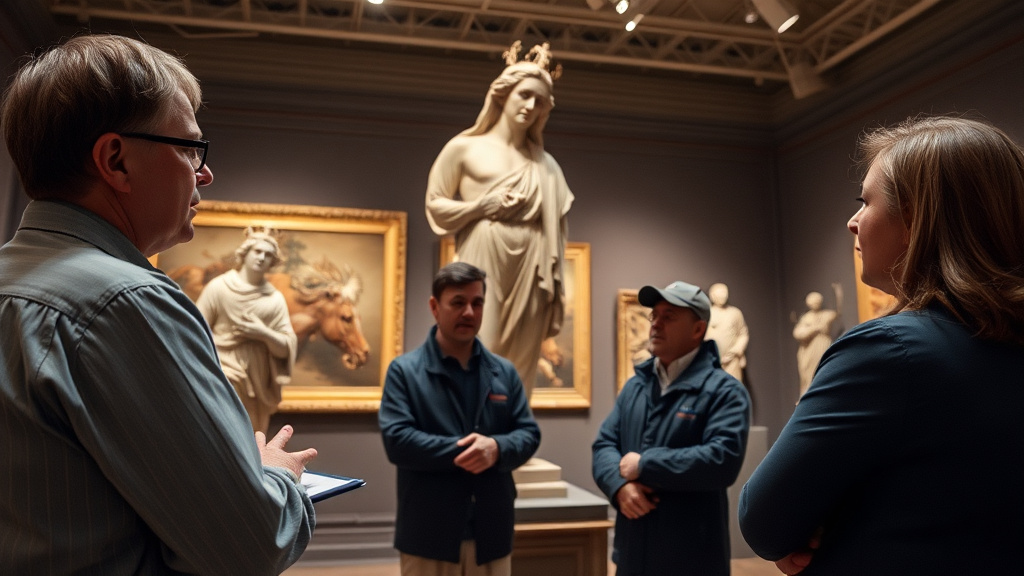
Throughout history, great works have endured hundreds of years through the commitment of conservators. As environmental conditions and aging jeopardize irreplaceable paintings and sculptures, protecting these cultural artifacts becomes increasingly critical. In this article, leading conservators reveal their most effective techniques for protecting artwork from deterioration, including climate control, restoration methods, and preventive strategies. Learn how modern science and traditional craftsmanship work together to ensure that future generations can experience the artistic inheritance we inherit to the present day.
Grasping the Fundamentals of Artwork Preservation
Art conservation is a specialized field that combines technical understanding with creative knowledge to protect cultural heritage for future generations. Conservation experts work to arrest deteriorating artworks, prevent further damage, and bring artworks to their original state when feasible. This diverse practice includes different approaches, from cleaning and repair to structural reinforcement and documentation. Grasping the basic principles of conservation is vital for people engaged in preserving historical artworks, sculptural works, and other important artifacts from the unavoidable impact of time and environmental exposure.
The main purpose of art conservation is to prolong the life of artworks while protecting their historical accuracy and visual worth. Conservators employ both preventative and interventive strategies, carefully assessing each piece’s individual state and needs before executing restoration protocols. This thoughtful approach requires in-depth expertise in chemistry, materials science, art history, and practical restoration skills. By combining rigorous scientific analysis with traditional craftsmanship, conservation experts guarantee that irreplaceable masterpieces stay accessible and aesthetically preserved for future generations.
Professional Cleaning and Restoration Methods
Modern conservation science utilizes precision cleaning approaches that safely remove built-up dirt, varnish layers, and atmospheric contaminants without compromising delicate artwork. Conservators employ specialized solvents, micro-abrasive techniques, and laser cleaning technology to bring paintings to their initial luminosity. These precision methods necessitate extensive training and thorough examination of the individual composition of each work. By comprehending the chemical relationship between the artwork and pollutants, experts can undo prolonged degradation while protecting the artist’s original intent and material integrity.
Restoration techniques go further than surface cleaning to resolve structural deterioration and material loss. Conservators employ time-honored approaches such as relining canvas, consolidating paint, and varnish application combined with cutting-edge innovations like three-dimensional imaging and digital restoration. These comprehensive approaches restore both aesthetic appeal and structural stability. Whether tackling cracked paint, weakened supports, or absent areas, professional conservators weigh historical accuracy with long-term preservation, ensuring that restored works stay stable for centuries while upholding their historical and artistic significance.
Specialized Gear and Supplies
Conservation labs are outfitted with cutting-edge equipment such as spectroscopy devices, digital microscopes, and temperature-regulated spaces that allow accurate examination and treatment. Conservators carefully select archival-quality materials—acid-free adhesives, removable strengthening compounds, and historically accurate colorants—to guarantee treatments remain stable and can be securely undone if upcoming methods demonstrate better results. This scientific approach, combined with traditional expertise, constitutes the gold standard in artwork conservation.
Environmental Management and Storage Solutions
Maintaining consistent climate conditions is fundamental to preserving historical artworks. Temperature and humidity fluctuations lead to materials to swell and shrink, resulting in warping, cracking, and paint loss. Conservation experts advise keeping storage areas at steady temperature levels between 18-21°C with relative humidity levels between 45-55%. Sophisticated environmental monitoring systems track these parameters continuously, protecting paintings and sculptures from the harmful impact of climate-related damage that can occur over decades.
Proper storage facilities must incorporate tailored design components to safeguard important artifacts. UV-filtering glass, non-acidic materials, and mounting systems of archival quality avoid light-related deterioration and chemical damage. Museums and conservation centers utilize gases that are inert and oxygen-scavenging technology to establish microenvironments that suppress growth of mold and insect activity. These thorough storage methods represent considerable expenditures, yet they prove vital for upholding artistic integrity and making certain that cultural legacy continues to be accessible to generations to come in an uncompromised manner.
Prevention Strategies and Sustained Conservation
Preventive conservation stands as the best strategy for safeguarding artworks from decay. By preserving stable environmental conditions—including accurate temperature and humidity control—conservators can substantially reduce the deterioration rate of artworks. Continuous monitoring equipment identify potential threats before damage occurs, while protective barriers protect items from environmental contaminants and damaging light. This preventive strategy minimizes the need for intrusive conservation procedures and prolongs the lifespan of cultural treasures for centuries to come.
Extended preservation demands comprehensive planning and organizational dedication. Preservation specialists create detailed documentation systems that track each artwork’s current status, treatment history, and environmental specifications. Careful positioning in climate-controlled facilities, alongside regular assessments and preventative maintenance, maintains optimal preservation. Collaborating with museum professionals and collectors, professionals set proven methodologies for handling, presentation, and storage. Through these coordinated efforts, communities safeguards invaluable cultural treasures, securing that coming generations receive the entire corpus of human creative achievement.
