
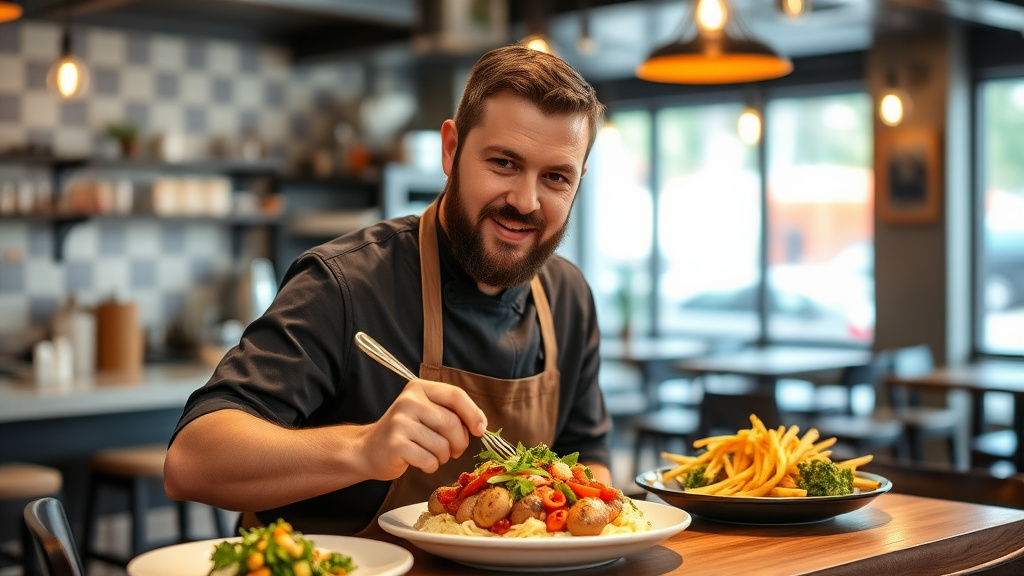
In a strategic move toward environmental responsibility, renowned celebrity chef Marcus Wellington has unveiled his newest dining concept: a farm-to-table restaurant concept that focuses on eco-friendly, regionally-sourced ingredients. This groundbreaking restaurant marks a major change in upscale cuisine, challenging traditional restaurant models by working closely with regional farmers and producers. Discover how Wellington is redefining modern cuisine while strengthening local areas, lowering environmental impact, and proving that outstanding cuisine and sustainable practices can thrive side by side in contemporary environmentally-aware dining.
The Strategy Behind the New Concept
Chef Marcus Wellington’s fresh restaurant model stems from a firmly rooted belief that fine dining and sustainable practices are entirely compatible. Wellington imagines a dining experience where all offerings tells a story of local partnership and sustainable practice. By establishing direct relationships with regional farmers and artisanal producers, the restaurant establishes a clear sourcing system that supports both customers and neighborhoods. This vision transcends just buying supplies; it represents a comprehensive transformation of how restaurants are able to work as positive forces within their ecosystems while delivering exceptional gastronomic quality.
At its heart, Wellington’s vision confronts the growing disconnect between diners and their where their food comes from. The concept challenges the traditional upscale restaurant approach by demonstrating that seasonal menus and locally-focused cuisine can improve rather than limit gastronomic creativity. By adopting sustainable practices, the restaurant aims to spark systemic shifts while proving that mindful eating enhances rather than diminishes the dining experience. This approach connects with contemporary diners who constantly look for authentic relationships between their meals, their communities, and the environment.
Sourcing and Sustainability Practices
Chef Marcus Wellington’s latest dining venture is built on the foundation of sustainable sourcing and environmental stewardship. Every component that enters the kitchen has been carefully selected based on environmental standards, seasonal availability, and distance from the restaurant. This promise reaches further than just advertising; it reflects a foundational belief that informs menu planning, vendor partnerships, and day-to-day operations. By emphasizing local suppliers, Wellington minimizes shipping impact while ensuring peak ingredient freshness and quality.
Local Farmer Collaborations
The restaurant has established direct relationships with approximately thirty local farms and suppliers within a hundred-mile area. These relationships transcend transactional purchasing arrangements; they represent cooperative endeavors where chefs and farmers meet frequently about crop planning, seasonal changes, and new ingredient developments. Wellington personally visits supplier farms quarterly to preserve these relationships and recognize the difficulties farmers encounter. This strategy ensures dependable standards while giving farmers dependable outlets for their sustainable practices.
By entering into ongoing partnerships with nearby suppliers, the restaurant provides sustainable income that permits farmers to implement environmentally responsible practices. These partnerships have already led to the creation of specialty crop varieties designed for the restaurant’s gastronomic approach. The shared advantages extend to customers, who benefit from clear sourcing and the knowledge that their dishes actively contribute to regional farming operations and environmentally responsible farming practices.
Environmental Performance Goals
Wellington has set comprehensive environmental targets for the restaurant, including reaching carbon neutrality in three years of opening. The venue utilizes renewable energy sources, operates comprehensive waste reduction programs, and maintains a robust composting system that diverts organic materials from landfills. Water conservation measures include harvested rainwater and advanced kitchen technologies. These initiatives show that fine dining establishments can operate profitably while minimizing their environmental footprint and serving as models for sector-wide sustainability.
The restaurant’s sustainability metrics are monitored openly and shared publicly through quarterly environmental reports. Goals include reducing food waste to below five percent, obtaining all of produce from sustainable local suppliers, and eliminating single-use plastics by year two. Wellington maintains that openness and responsibility are crucial to meaningful environmental progress. By publishing these metrics, the restaurant invites scrutiny while inspiring other establishments to adopt similar practices and jointly create positive change within the food service sector.
Menu Innovation and Gastronomic Mastery
Chef Wellington’s menu showcases a innovative take to contemporary cuisine, where artistic vision aligns with sustainability. Each dish is carefully prepared to highlight the authentic tastes of locally obtained produce while minimizing processing and transportation. The chef collaborates with seasonal availability, allowing the menu to change with the seasons. This dynamic approach not only cuts down on waste but also challenges his culinary team to keep innovating, resulting in dishes that are sustainable and outstandingly flavorful, setting new standards for conscious fine dining.
The restaurant offers a rotating menu that changes every two weeks, showcasing the current harvest from partner farms and producers. This practice ensures maximum freshness while building stronger relationships with local suppliers who understand the city’s rigorous quality requirements. Diners can anticipate novel flavor profiles and artistic presentations that showcase the quality of ingredients rather than relying on artificial enhancements. The culinary team’s dedication to openness means each plate features information about its origins, enabling guests to appreciate the path from source to plate and understand the sustainability impact of their meal.
Wellington has educated his kitchen staff comprehensively in sustainable cooking techniques, stressing minimal-waste methods and full-use application of ingredients. Every element of procured ingredients is used inventively, from vegetable scraps made into stocks to meat byproducts incorporated into innovative dishes. This approach extends outside the cooking area, affecting presentation decisions and packaging materials. The result is a dining experience that illustrates how environmental responsibility and gastronomic excellence are not conflicting priorities but complementary goals that elevate the eating experience and inspire guests to reassess their own eating patterns.
